Engaging Science, Digitally: Social Campaigns and Graphics that Connect with Educators and Students

Digital Design | Digital Art | Advertising | Marketing Collateral | Brand Consistency | Typography & Layout

Digital Design | 2019-2025


INTRODUCTION

Vernier Science Education - Digital Desiang - Engaging Educators Through Meaningful Digital Design

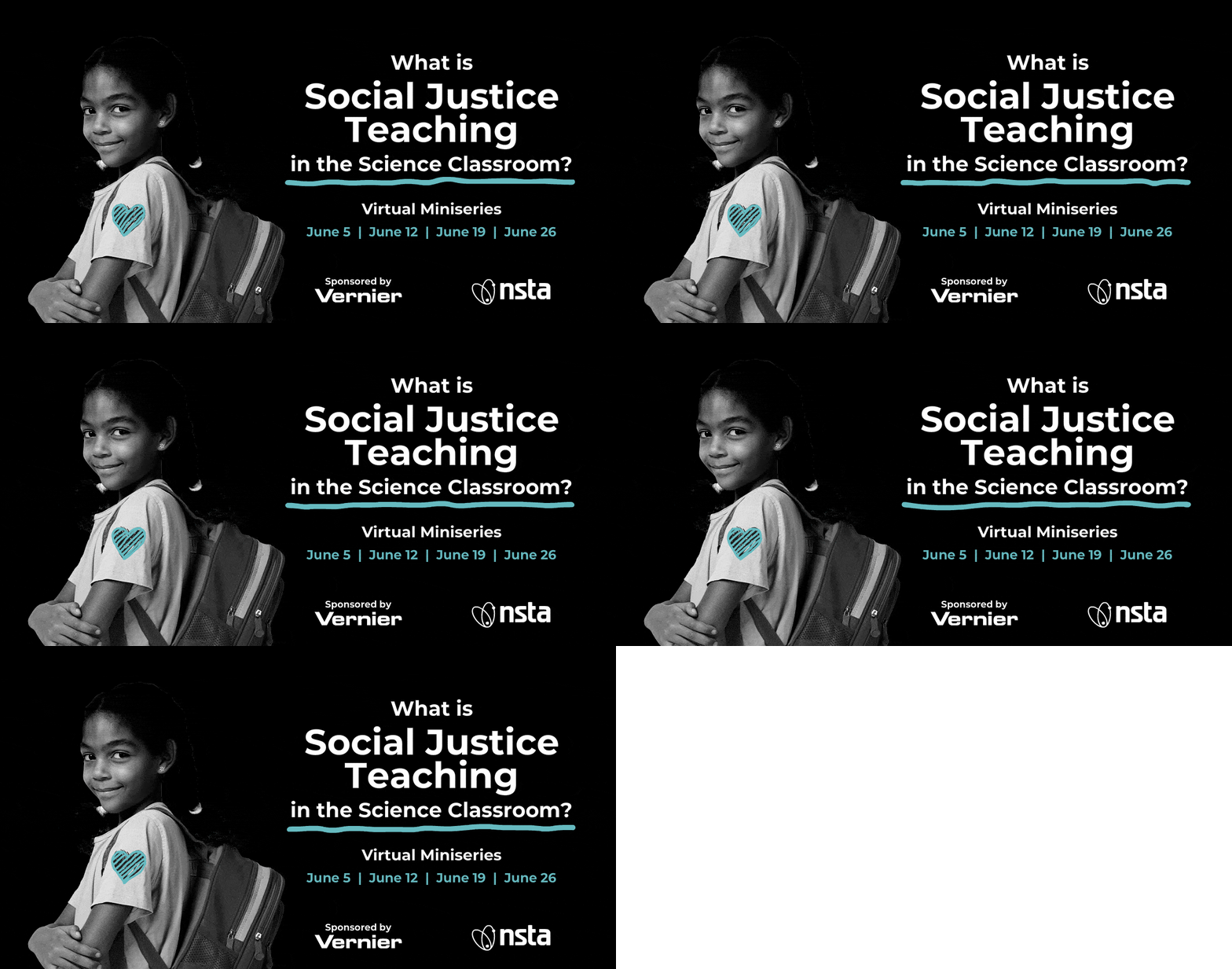
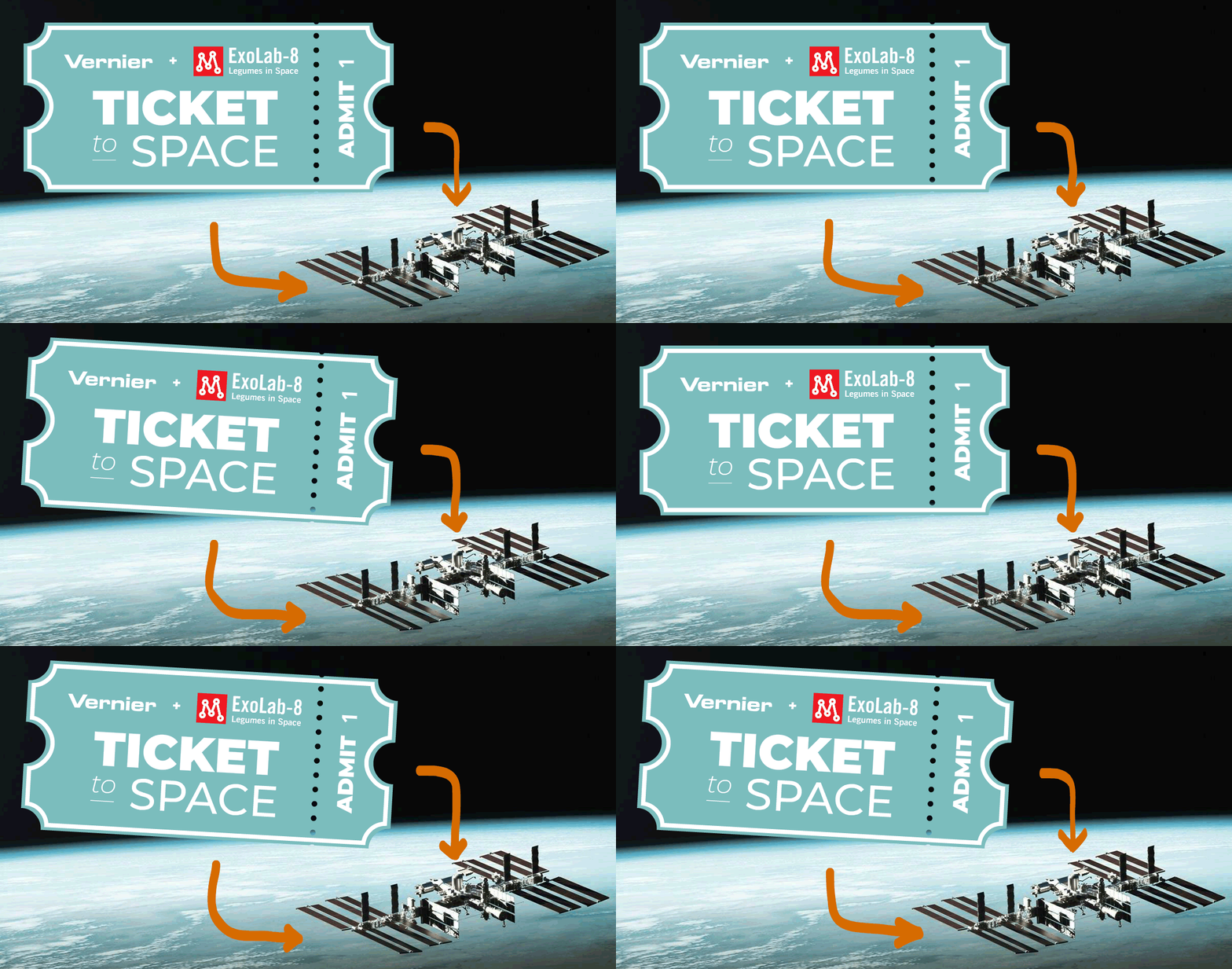
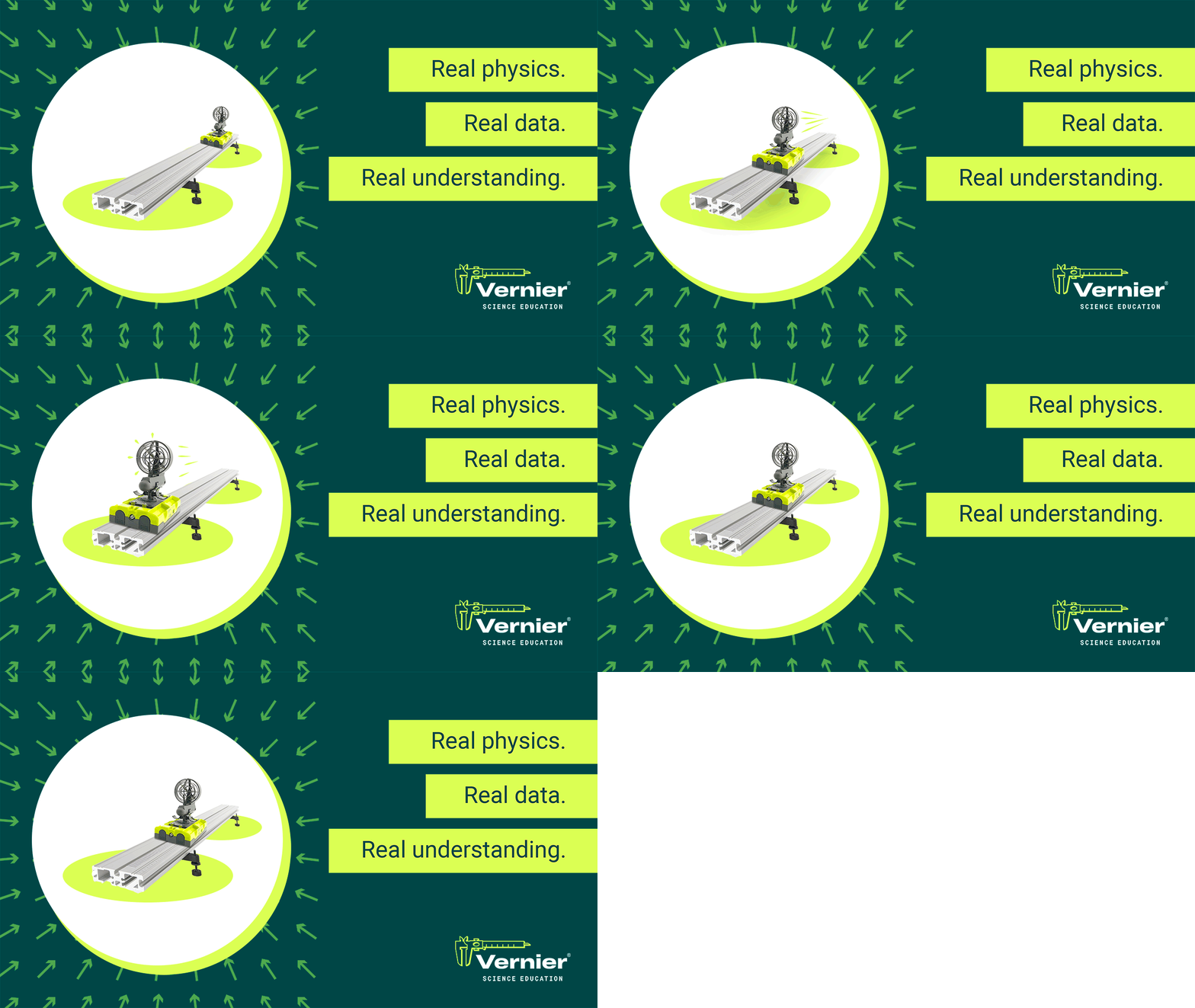
Vernier Science Education introduced me to a world where digital design could play a direct role in helping teachers inspire curiosity. Over the years, I created social graphics, digital ads, and campaign visuals that supported educators in classrooms across the country. I learned how thoughtful design choices could simplify complex topics and make science feel more accessible to students who might otherwise feel intimidated.

My work on Vernier’s digital campaigns pushed me to balance clarity with creativity. Each project required close attention to brand consistency, typography, and layout while still finding ways to bring energy and relevance to the content. I collaborated with a team that cared deeply about the purpose behind each piece, and I carried that same focus through every concept, revision, and final deliverable.

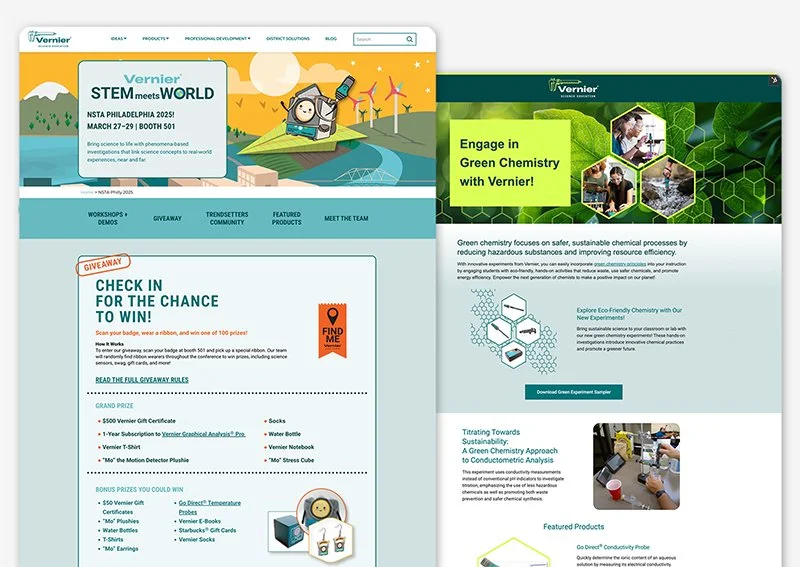
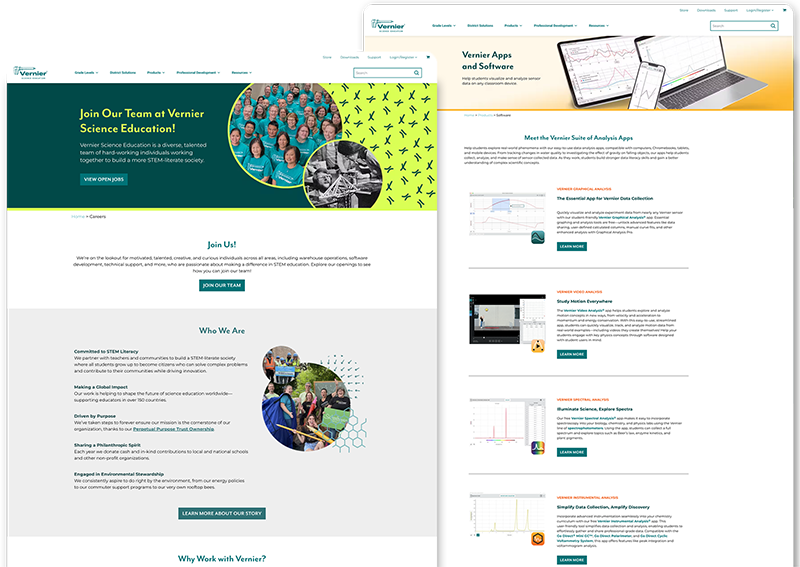
Working on the digital side of Vernier’s marketing efforts became one of the most meaningful parts of my role. I supported a small team of four designers, and our days moved between illustration, print, email design, coded webpages, and anything else the project list required. I naturally gravitated toward the web and digital pieces, and I loved the process of bringing landing pages, social campaigns, and responsive graphics to life. Vernier encouraged me to grow, and over time I expanded my skills into UX and product design through courses and hands-on projects. I was often the person teammates turned to for guidance on web design and email best practices, and that trust strengthened my commitment to creating clean, accessible, and purposeful digital work.


ROLE

SENIOR GRAPHIC DESIGNER, VISUAL & DIGITAL DESIGNER


TIMELINE

2019-2025


TOOLS

ADOBE ILLUSTRATOR, PHOTOSHOP, INDESIGN, ANIMATE, PREMIER PRO, AFTER EFFECTS, WORDPRESS, ELEMENTOR, HUBSPOT


DESIGN TEAM OF FOUR, COLLABORATING WITH MARKETING, PRODUCT, AND CONTENT TEAMS

TEAM


DELIVERABLES

SOCIAL MEDIA GRAPHICS, DIGITAL ADS, ANIMATED ASSETS, EMAIL DESIGNS, CODED LANDING PAGES, CAMPAIGN VISUALS, DIGITAL BRAND EXTENSIONS, UPDATES TO EXISTING WEB COMPONENTS, SUPPORT FOR ONGOING MARKETING INITIATIVES


OVERVIEW

How did these digital campaigns take shape?

The digital campaigns at Vernier grew out of a simple goal. We wanted to meet educators where they already spent their time. Whether they were exploring new tools for their classrooms or looking for lesson ideas, our digital presence needed to feel supportive, clear, and grounded in real classroom needs. I approached each campaign with the mindset that every graphic, animation, or layout should make science feel welcoming rather than complicated.
Many projects started as small sparks usually forming from a conversation or monthly meeting, often tied to a new product release or an important moment in the school year. My job was to shape those sparks into visuals that carried energy and purpose. I spent time studying how teachers interacted with our content so I could build assets that felt intuitive at first glance. I learned how to push creativity while still honoring the structure and reliability that educators expect from Vernier.


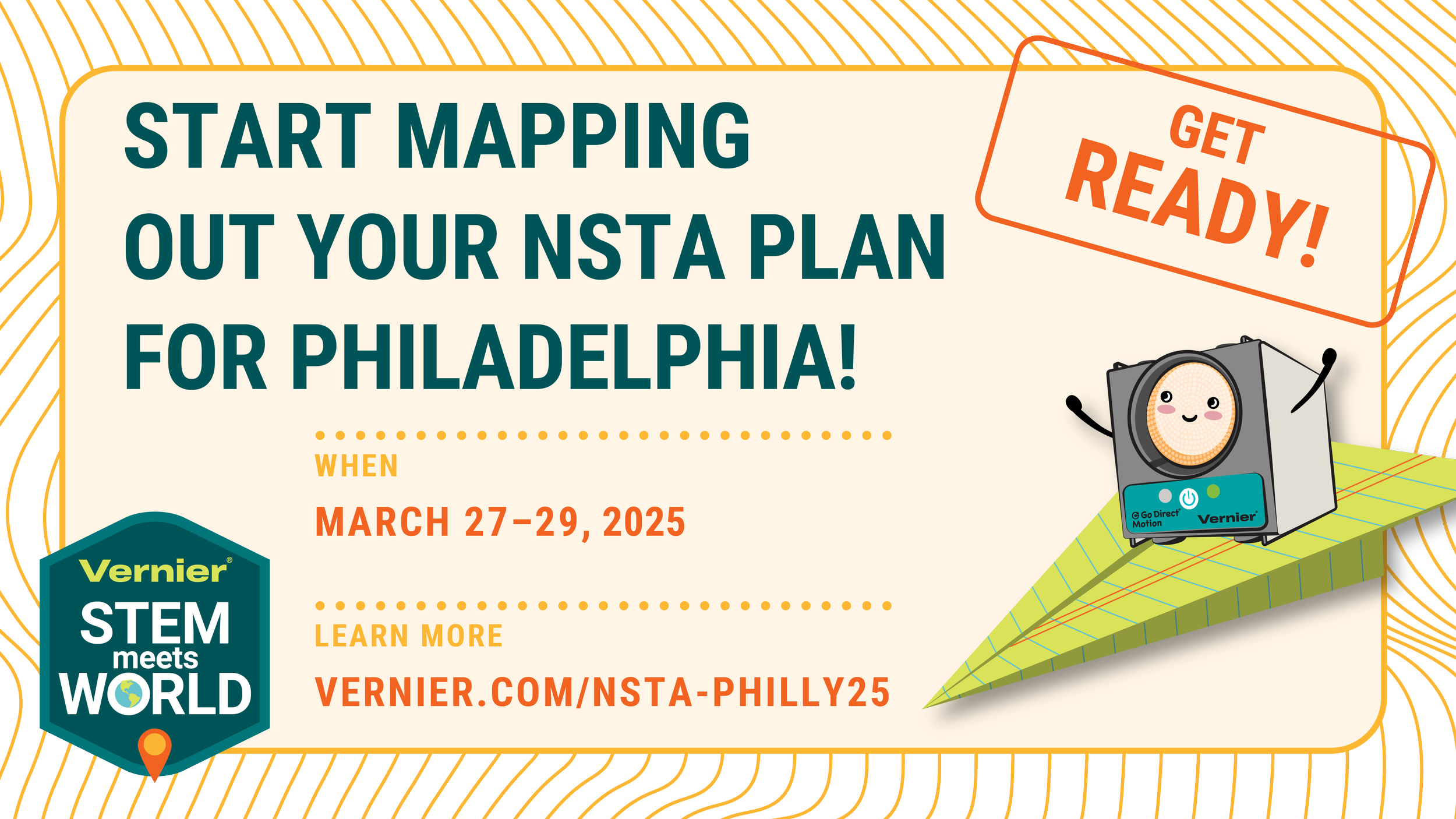
The work featured in this case study highlights the core digital pieces that helped define Vernier’s online presence during my time there. These campaigns represent many hours of collaboration, iteration, and thoughtful design choices. They also reflect how much I enjoyed crafting digital experiences that supported teachers and brought a sense of curiosity and clarity to their day.


CREATIVE DIRECTION

Clear, approachable design that supports educators and product clarity


Every digital project at Vernier carried a familiar challenge. Science can feel intimidating when it shows up on a screen, and teachers have only a moment to decide whether a piece of content feels useful. I wanted the creative direction to bridge that gap. My aim was to build visuals that felt grounded in real classrooms, with a tone that respected educators’ time and encouraged curiosity.

THE BRIEF

“What kind of digital experience would help teachers feel informed, confident, and ready to explore new ideas?”

I centered the creative direction on clarity, color, and a sense of movement. Clean spacing, readable typography, and simple visual hierarchy helped teachers find what they needed quickly. Bright accents and subtle animations added energy without distracting from the information. These choices helped the campaigns feel both structured and alive, a balance that matched how Vernier approaches science education.


This direction shaped each campaign and digital asset throughout this case study. It guided how I built social graphics, animated elements, and supporting visuals for product launches and seasonal promotions. My goal was always the same. Create digital materials that welcome educators in, help them understand the tools available to them, and give them a sense of excitement about what their students could discover.


DESIGN PROCESS

Setting the foundation for each digital project

Every digital assignment at Vernier began with a conversation. I reviewed the brief, asked clarifying questions, and made sure I understood the goals from both the marketing team and the product owners. This early alignment helped me anticipate how the work would move through our team, which deadlines might shift, and where collaboration would be most important. These first steps gave me the clarity I needed to shape a direction that felt grounded and achievable.

  • I took time to understand what the campaign or asset needed to accomplish. This included defining the primary message, identifying the audience, and pinpointing success metrics such as clicks, sign ups, or product awareness. I also reviewed any limitations with timeline, technical needs, or brand requirements so I could plan ahead.

  • Once I understood the goals, I pulled together product information, visuals, copy, and any reference materials that would support the design. I checked in with stakeholders from marketing, product, and web to confirm accuracy and resolve details that might affect layout or file prep. These early conversations often saved time later.

  • Before creating final visuals, I mapped out rough layouts and content order. This helped me test readability, pacing, and tone. It also created space for early feedback from the team. These low fidelity explorations allowed me to focus on clarity first, then refine typography, color, and imagery once the structure felt right.

Observing digital behavior to guide creative choices

I have always been curious about how people interact with digital content, so I made it part of my routine to observe patterns in the education space and beyond. Noticing what captured attention, what discouraged engagement, and what felt inviting helped me shape my own creative decisions.

  • I paid attention to moments where viewers paused, clicked, or scrolled. Elements like breathing room, clear headlines, and direct visuals created a sense of ease that encouraged educators to move deeper into the content. These cues quietly influenced how I approached spacing, contrast, and layout.

  • When digital pieces felt cluttered or visually heavy, I noticed how quickly attention drifted. Teachers are often pressed for time, so anything that created friction made the message harder to absorb. I used these observations to simplify interactions, limit competing elements, and prioritize readability.

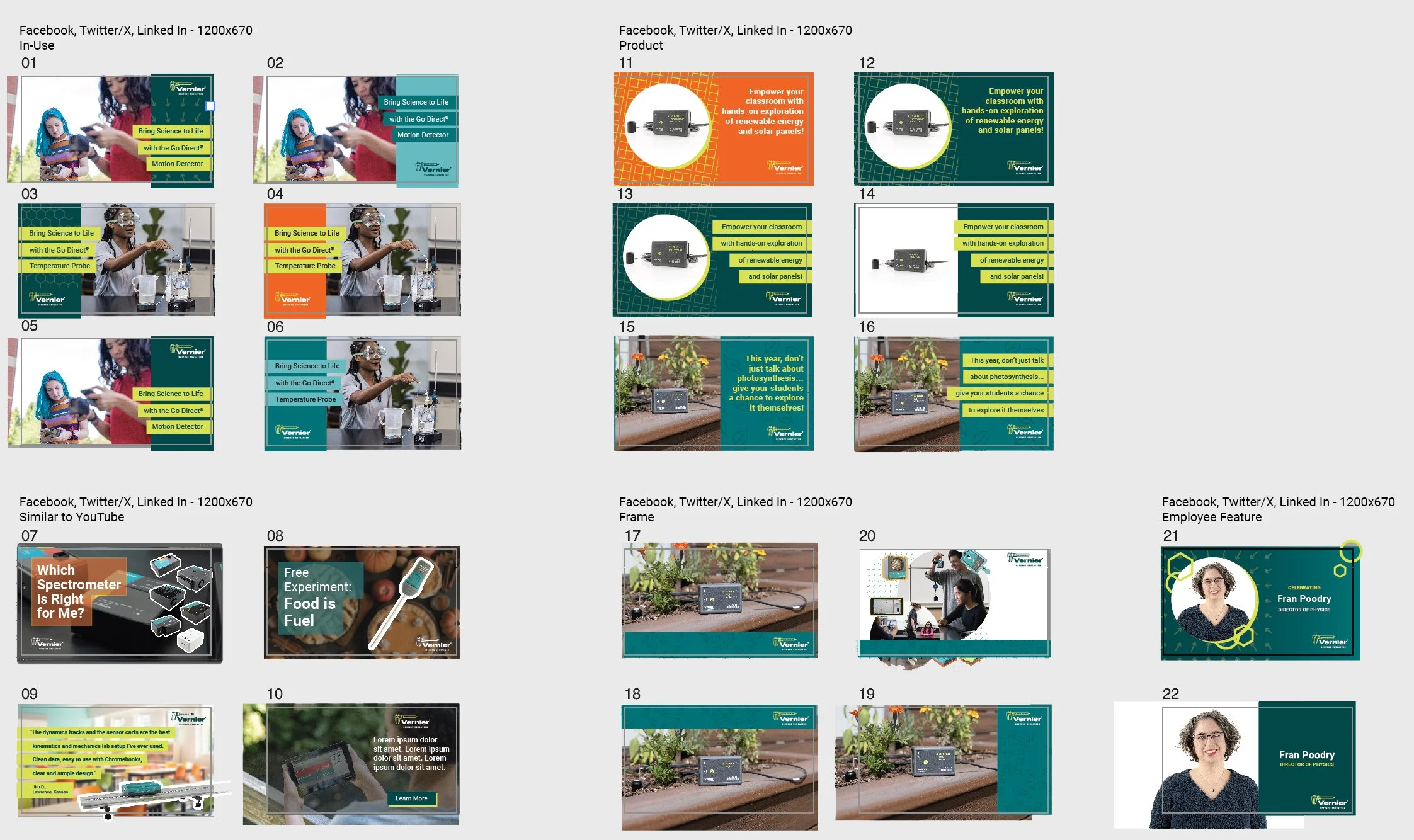
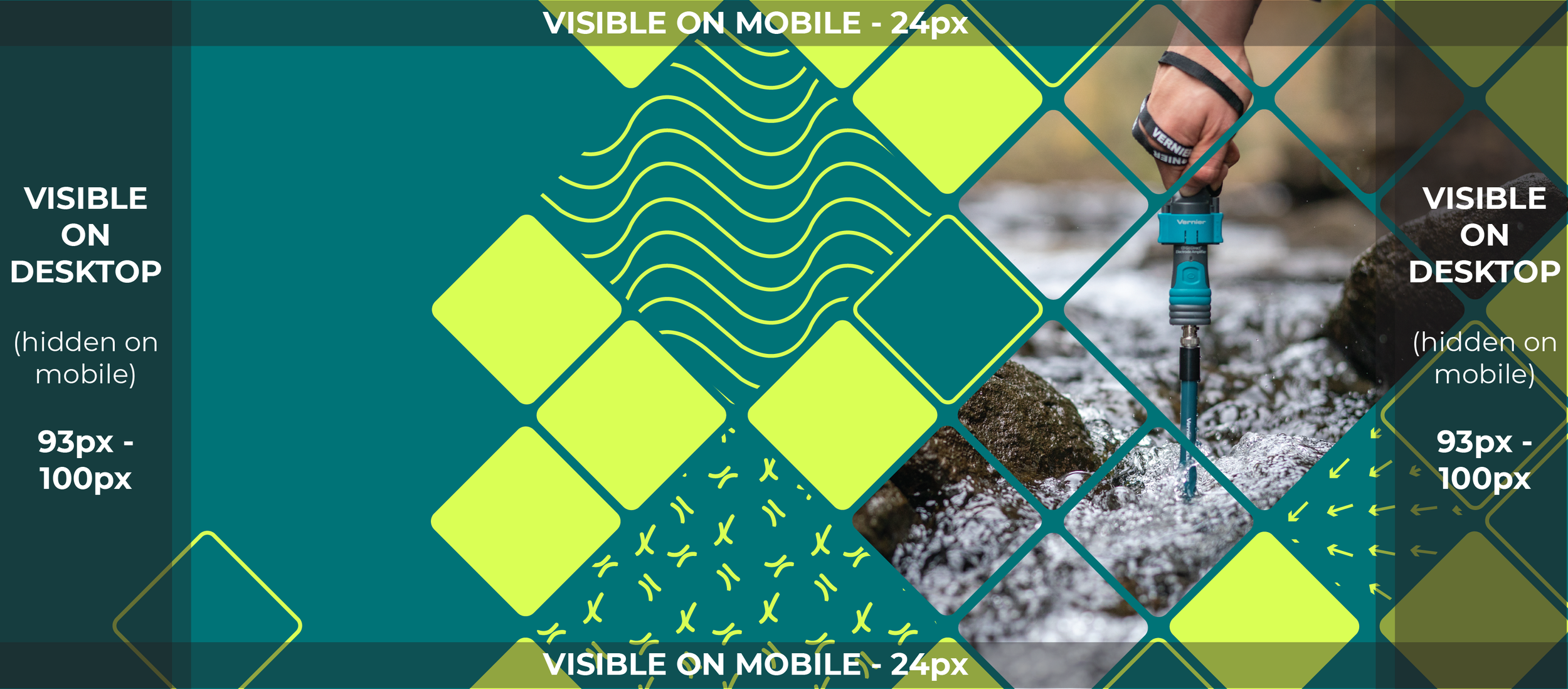
  • Each platform treated images, text, and color differently, which shaped how the final piece appeared. I learned how to adjust for compression, crop behavior, and accessibility needs so the work stayed consistent and polished whether it appeared in a social feed, on a landing page, or within an email.


BUILD & REFINE

Moving from intention to tangible design

Once the goals were clear, I shifted into creating the first round of visuals. This stage always felt energizing because it was the moment when loose ideas finally took form on the screen.

With timelines in mind, I focused on one clear direction so I could build a strong foundation before inviting broader feedback.


I began with structured layout concepts for each project, concentrating on hierarchy, readability, and how educators would move through the content. A clean and steady flow always mattered because teachers often scan quickly. I designed several early variations that balanced product information with supportive visuals, then refined them until each piece felt organized and approachable.

Once the structure was in place, I moved into visual detail. I adjusted typography, color, spacing, and image treatments so each piece felt cohesive with the larger Vernier brand while still maintaining its own tone. These early passes helped me spot potential gaps before the work reached the full team.

  • CLEAR INFORMATION PATHS
    I organized content so users could skim product details quickly, then dive deeper when they had time.

  • HELPFUL VISUAL ANCHORS
    I added charts, callouts, and small visual cues to support understanding without overwhelming the viewer.

  • SMOOTH VISUAL FLOW
    I shaped page rhythm through spacing and consistent alignment so the eye could move without friction.

  • PURPOSEFUL HIERARCHY
    I refined headings and subheads to guide viewers through the most important information first.

Early explorations shaped how each piece communicated

Initial conversations with marketing and product partners guided which interactions and moments needed clarity first. I created polished screens within a tight window so the team could review realistic layouts and provide focused notes.


With these decisions in place, the work reached a point where the ideas felt grounded and ready for collaborative refinement.


REVIEWS & APPROVALS

Navigating feedback from multiple perspectives shaped the final direction of this work

Once the initial concepts were in place, I moved into a more technical review cycle with our in-house team and the educators who relied on these materials. Their feedback helped me see where the designs supported their goals and where the visuals or layouts created friction. I appreciated how honest these conversations were because they pushed me to look at the work with fresh eyes.

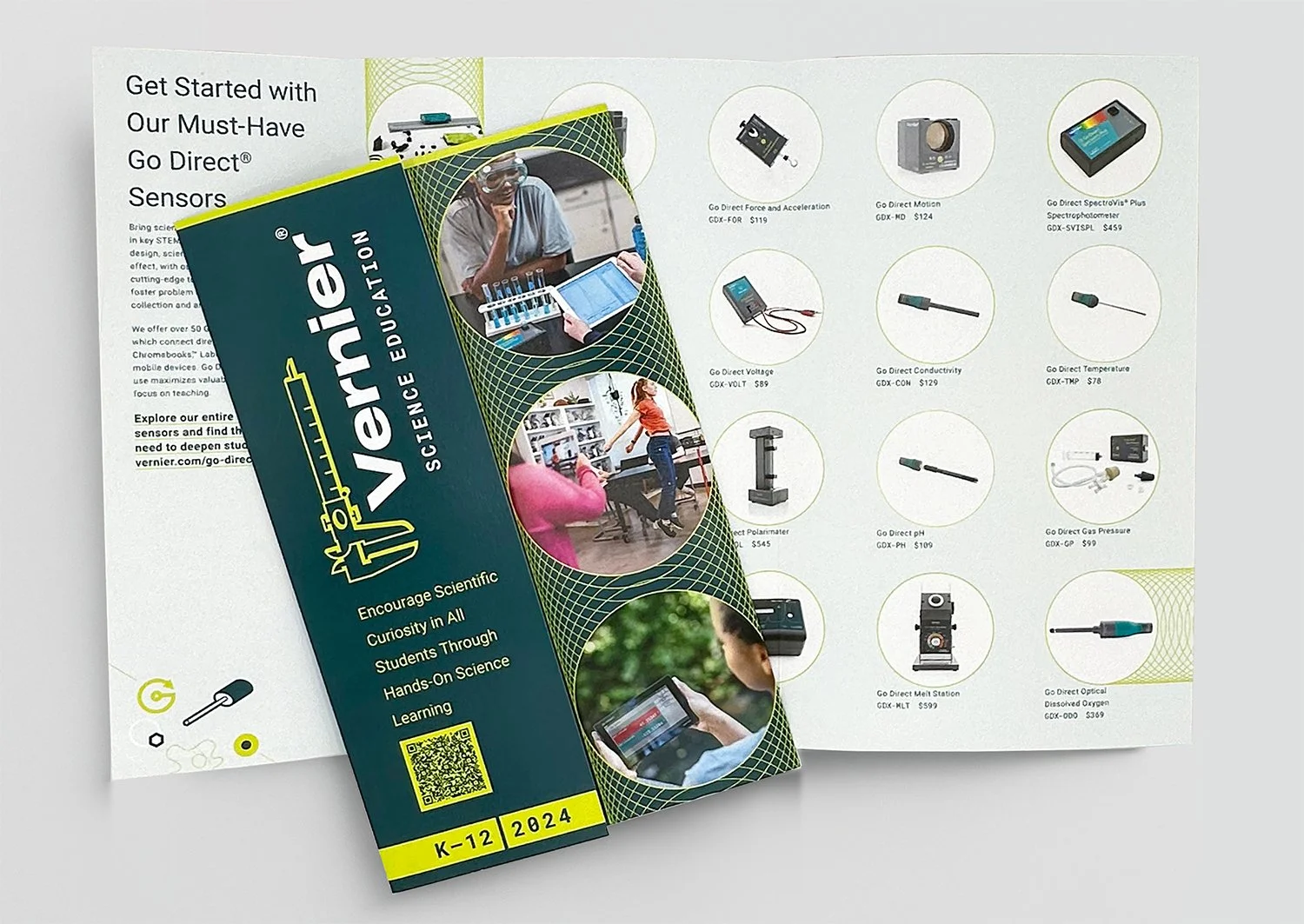
The early walkthroughs revealed small but meaningful gaps. Some pages needed clearer hierarchy. Some illustrations asked viewers to work too hard. A few printed pieces felt dense when translated to handouts. Each round helped me refine the balance between clarity and visual interest, and I started to notice patterns in what people responded to. That insight shaped my next steps.


I reworked the layout to create cleaner pathways, simplified callouts, and more intuitive groupings of information. This approach supported both print and digital formats and made it easier for stakeholders to evaluate the content without getting lost in the details. The response was positive, and the pieces moved through approvals smoothly once the major structural updates were in place.


FINAL DESIGN OVERVIEW

Launching campaigns with care and precision

Once the final graphics and layouts were approved, I prepared each asset for publication. Social graphics were scheduled and posted across the appropriate channels, digital ads were formatted and sent to external vendors, and all files were double-checked for quality. This stage required careful attention to ensure everything looked consistent and professional in every format.

During this period, I stayed on call to address any unexpected issues that arose. Whether it was a misaligned image, a text change requested by a vendor, or a browser rendering hiccup, I made sure solutions were implemented quickly. This responsiveness helped the campaigns launch smoothly and kept stakeholders confident in the work.


Seeing the campaigns live was always rewarding. The designs were not only visually appealing but also aligned with Vernier’s goal of supporting educators. Observing engagement and hearing early feedback confirmed that the design choices were effective in communicating the intended message.

These final stages reinforced the importance of thorough preparation and attention to detail. Managing multiple platforms, coordinating with vendors, and addressing last-minute adjustments highlighted how much impact a thoughtful launch process can have on the overall success of a project.

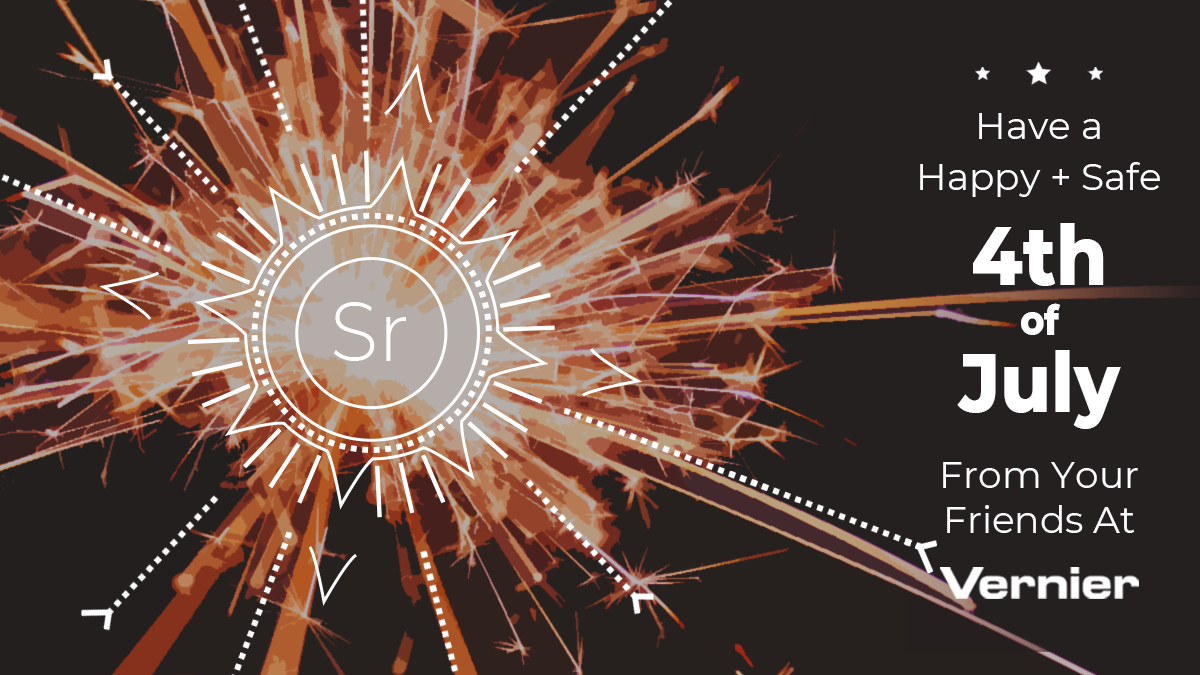
A. FINAL DESIGN / FOURTH OF JULY SOCIAL GRAPHICS

Capturing celebration with clarity and energy

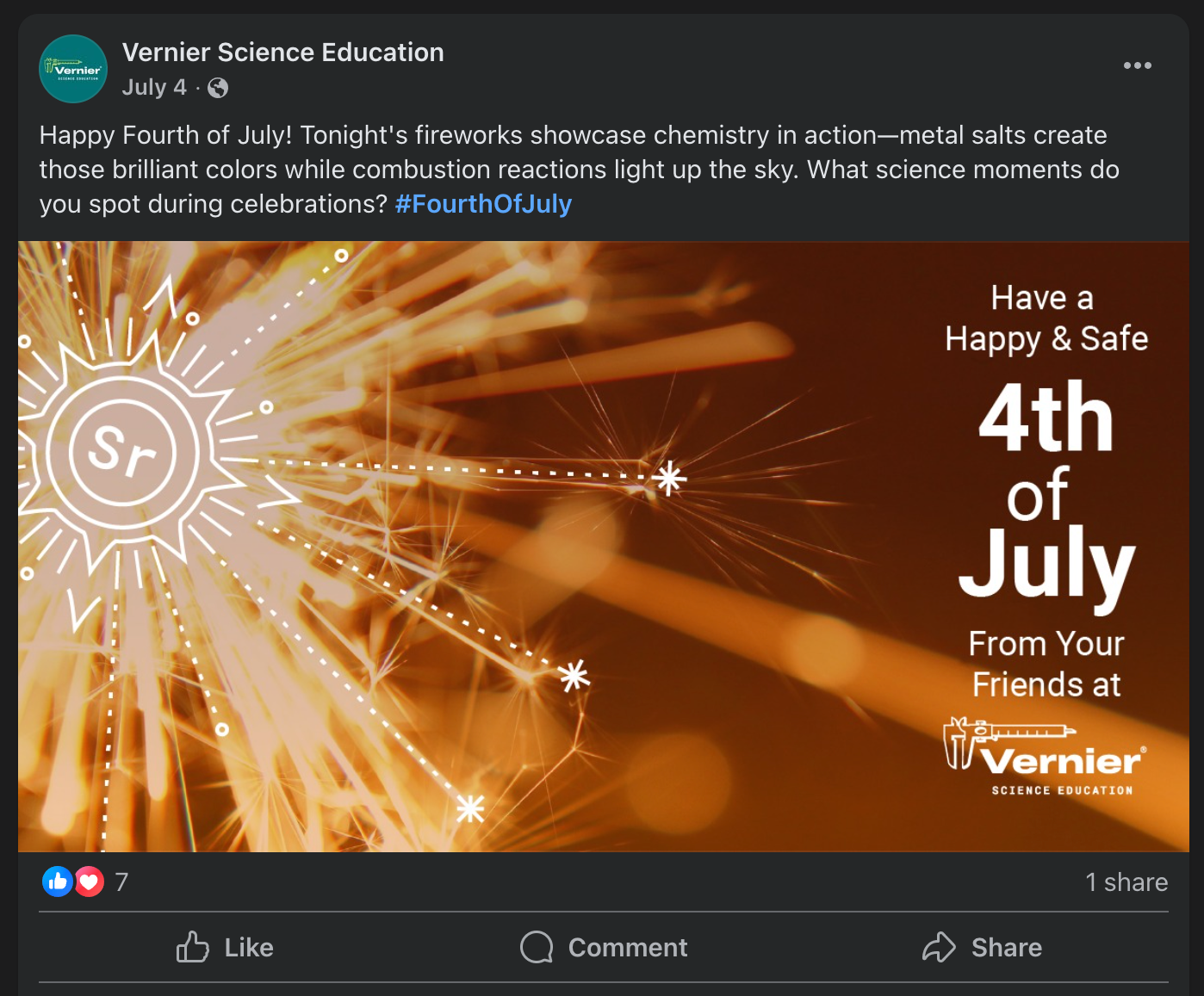
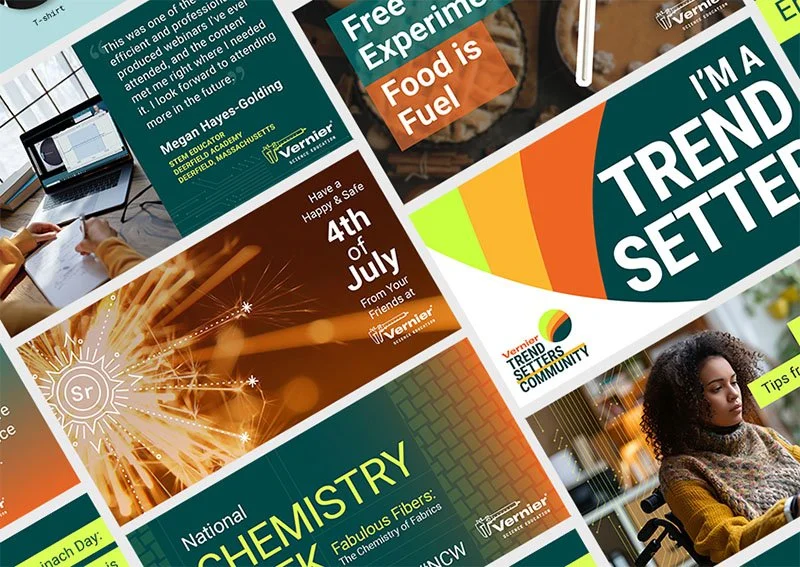
This graphic was designed to celebrate the Fourth of July in a way that immediately captured attention. The sparkler created a sense of movement and excitement, the iconography created movement, while the overlay colors reinforced the festive mood and kept the visual consistent with scientifically accurate firework colors due to their specific periodic table element and the color it produces while it burns.


The typography and copy were clear and approachable, wishing viewers a happy and safe holiday while tying the message back to Vernier. The balance of imagery and text ensured the graphic was engaging without overwhelming the viewer.

The layout guided the eye naturally from the firework imagery to the message, creating a cohesive experience. By keeping the design focused and visually harmonious, the graphic was easily reusable across multiple years without losing impact.

Feedback from the social team highlighted the graphic’s effectiveness in drawing engagement. Its energy, clarity, and festive tone made it a standout piece that consistently resonated with Vernier’s audience. Because this piece has been reused for multiple years, I at one point was able to observe engagement trends and make small iterative adjustments. This was especially important after the Vernier brand refresh and launch, as it was important that these pieces evolved with the brand. Each iteration improved clarity, readability, and overall visual impact while keeping the core dynamic energy intact.


B. FINAL DESIGN / AP PREP GRAPHIC

Leveraging AI to enhance content relevance

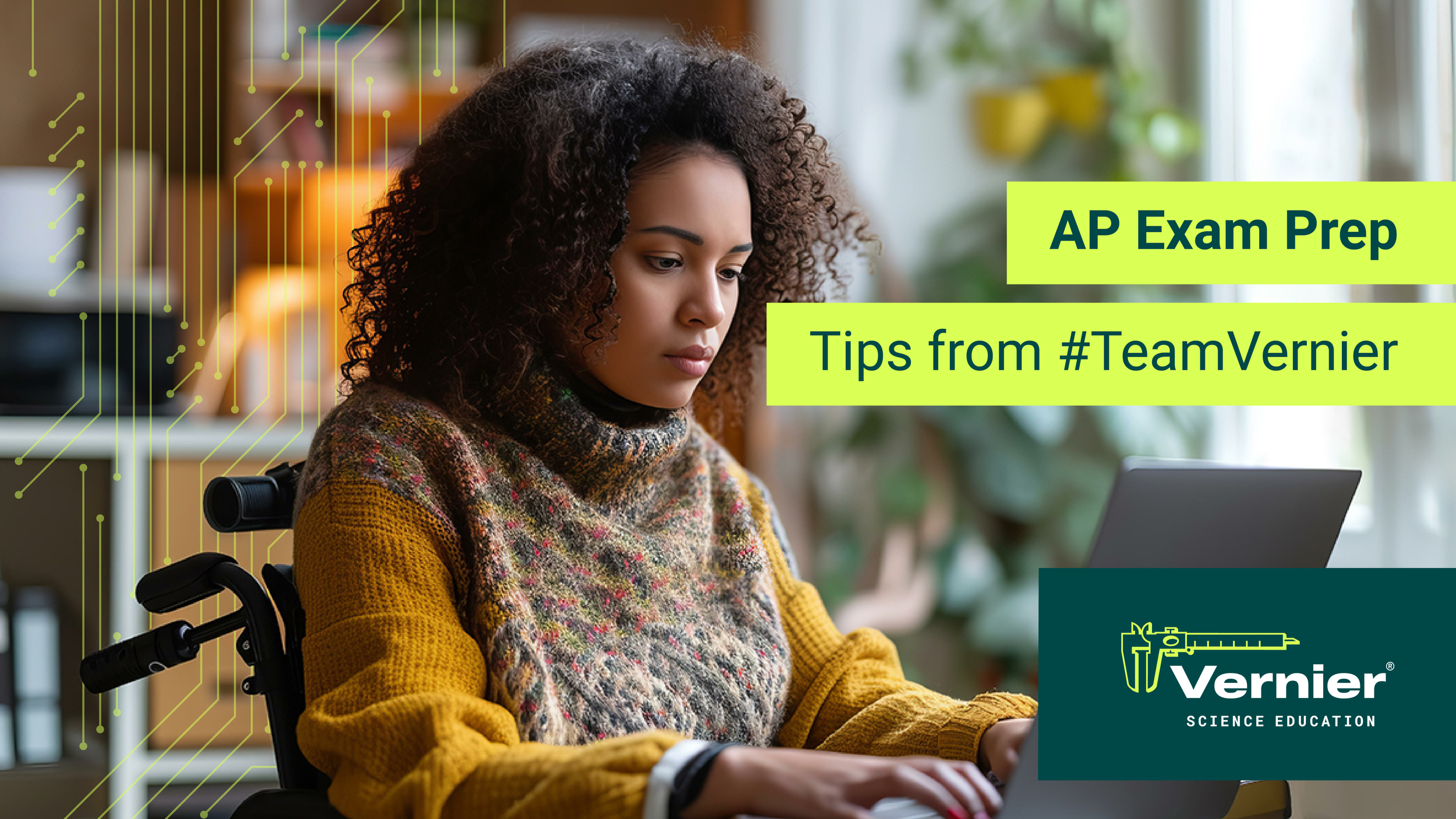
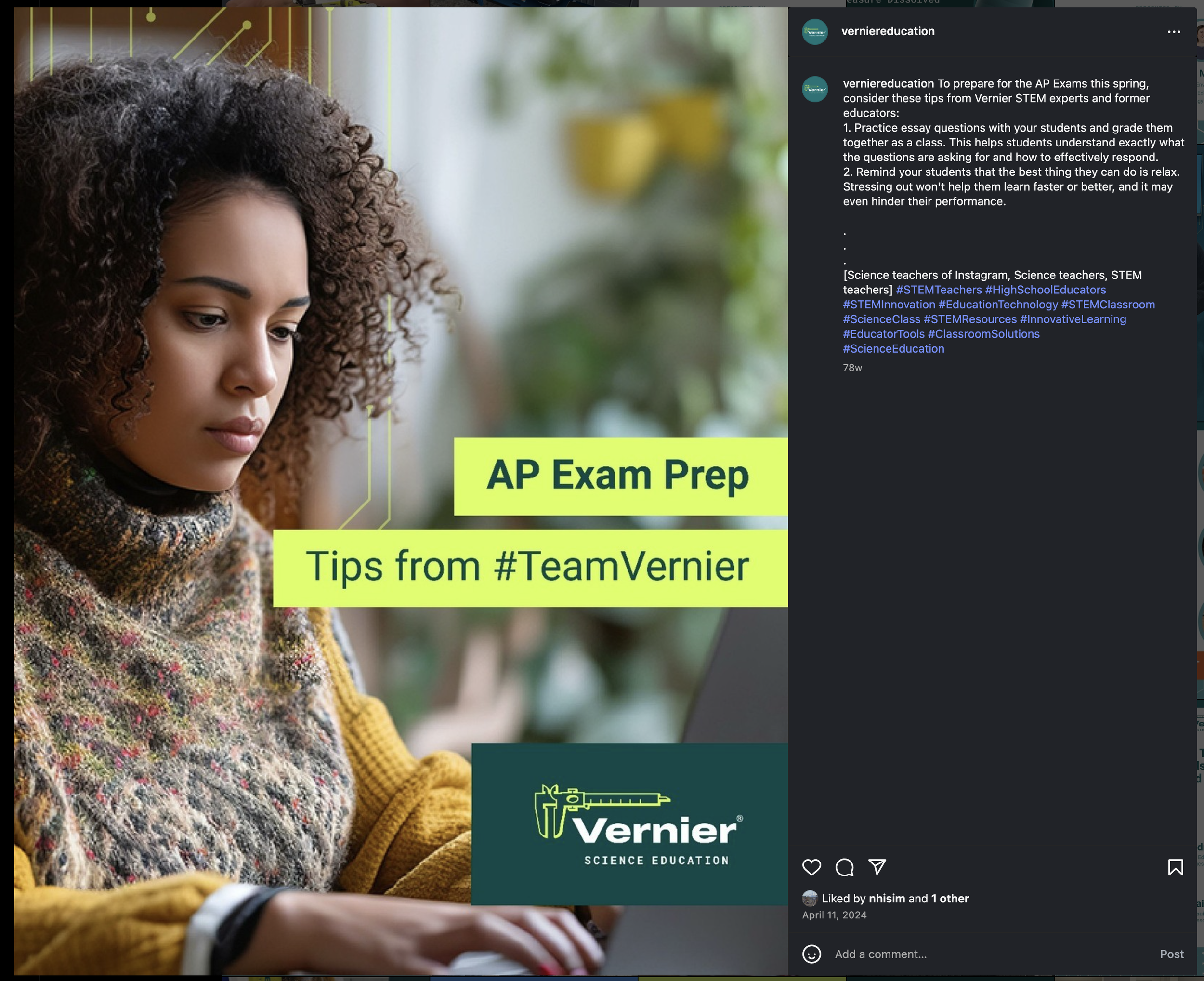
For the AP prep campaign, I experimented with AI-driven image sourcing to find visuals that aligned closely with the subject matter and resonated with students. This approach allowed me to curate images that felt authentic and educational without relying on stock photos that often feel generic. This graphic was designed to immediately connect with students preparing for AP exams while reflecting Vernier’s commitment to inclusivity. Using an AI-sourced image allowed the visual to feel authentic and approachable, helping viewers see themselves represented and engaged in the learning process.


The simplicity of the layout made the core message clear at a glance. Subtle Vernier patterns and a small AP Prep flag provided context without competing with the main visual, allowing the focus to remain on the subject and the campaign’s educational intent. Using color blocks and consistent typography to draw attention to the most important elements first and the hashtag to find out more.

By keeping the composition uncluttered, the graphic created a moment of focus in busy social feeds. The minimal supporting elements guided attention to the intended message while maintaining a polished and cohesive look.

Educators and students responded positively to the clarity and relatability of the graphic. The design successfully conveyed both accessibility and purpose, demonstrating that thoughtful, simple visuals can have a strong impact without relying on complex layouts or excessive information.


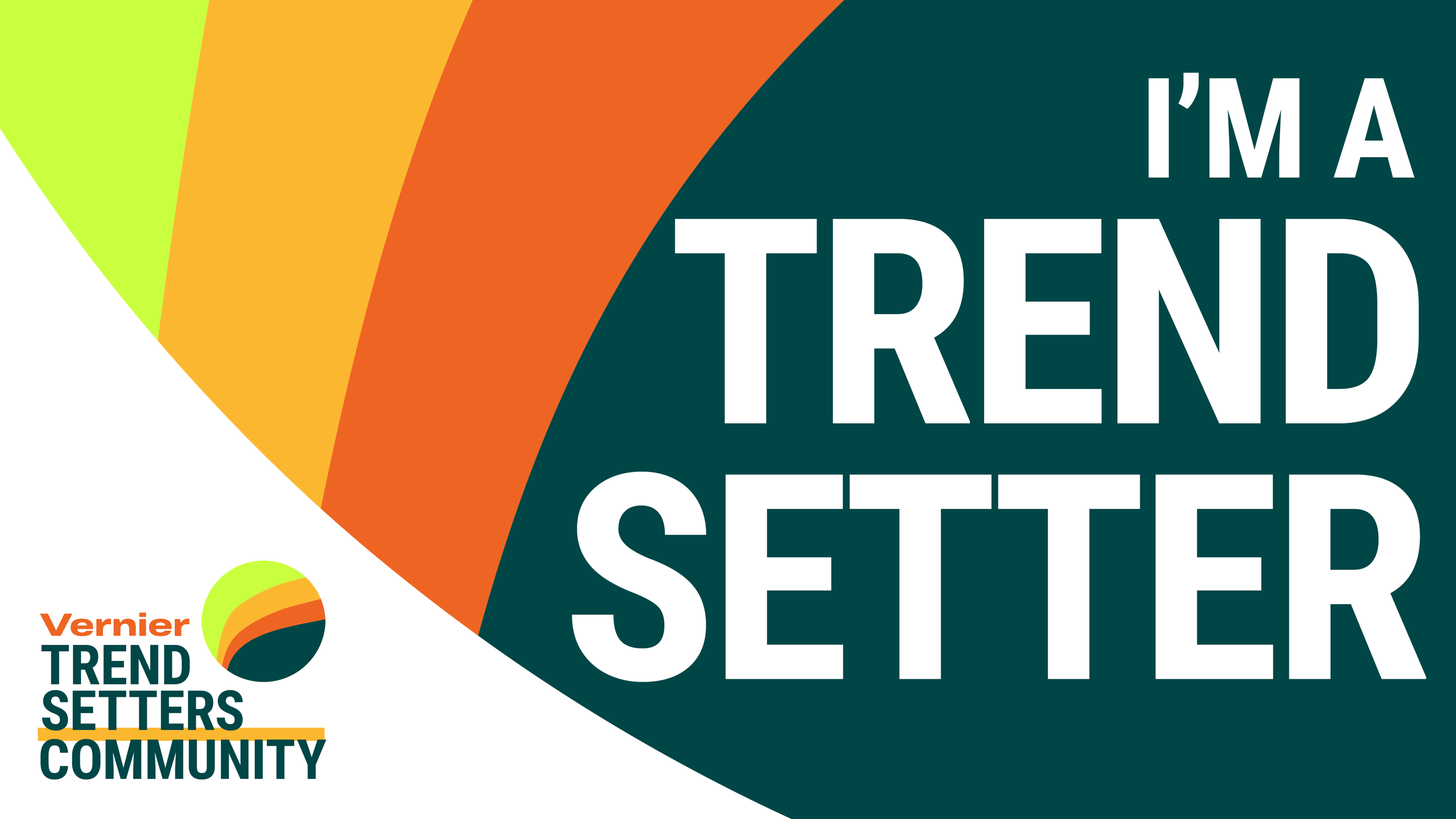
C. FINAL DESIGN / I’M A TRENDSETTER SOCIAL GRAPHIC

Bold visuals paired with a confident message

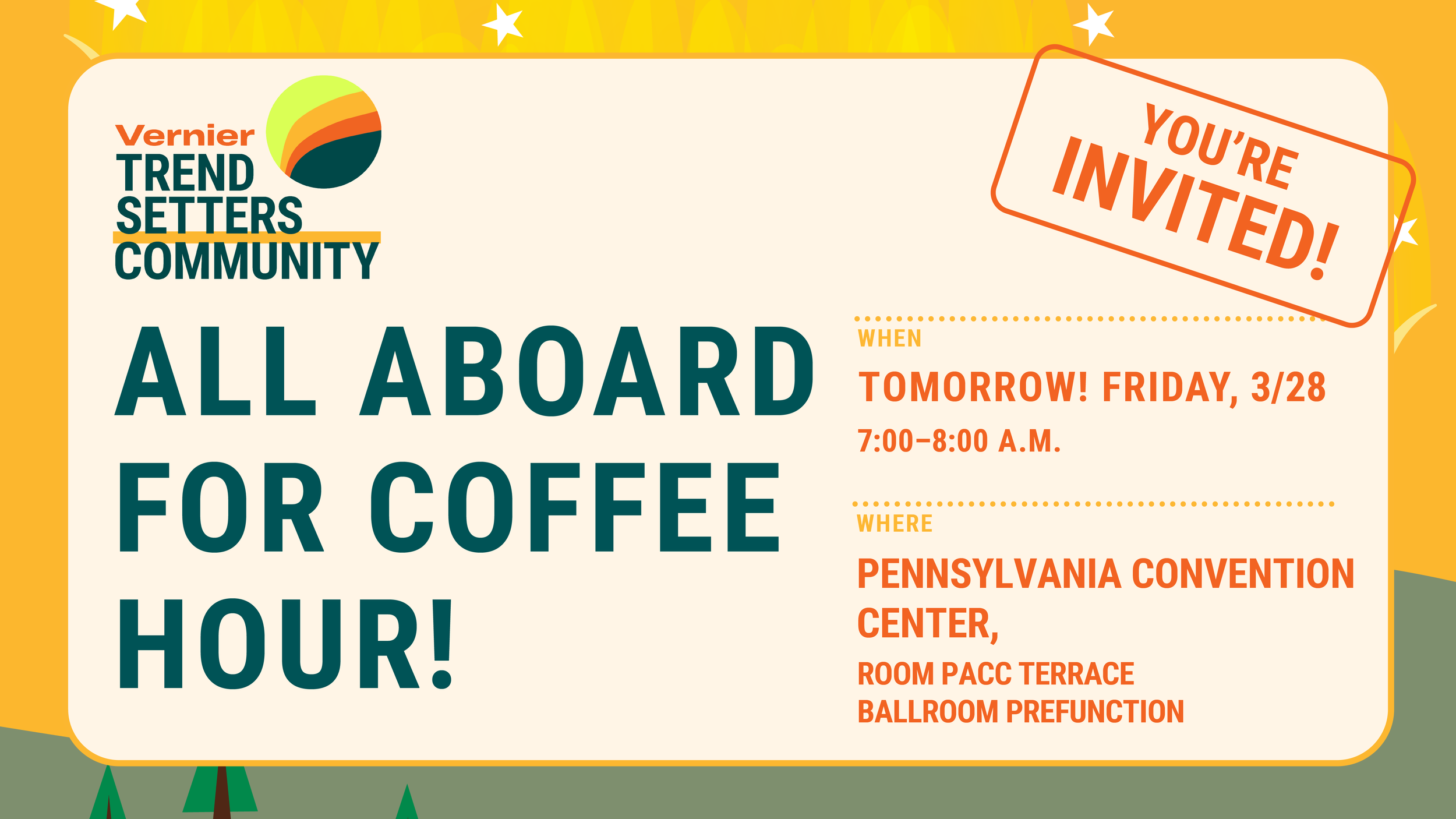
This graphic was designed to grab attention instantly in crowded social feeds while reinforcing the playful, confident tone of the Trendsetter campaign. The large, bold “I’M A TRENDSETTER” copy made the message clear at a glance, while the colorful fields created energy and movement that complemented the copy without competing with it.


The layout was minimal but intentional, allowing the message to remain the hero. The supporting Trendsetter logo anchored the composition, while the flowing color bands suggested excitement and forward momentum. Social copy paired with the graphic reinforced the idea of individuality and engagement, encouraging users to interact and share.

By combining clean structure with bold messaging, the design communicated confidence, approachability, and clarity. Users could instantly understand the campaign’s purpose and tone, which made the graphic highly shareable and effective across multiple social platforms.

The response confirmed the approach was successful. The graphic not only attracted attention but also supported the social copy in conveying the Trendsetter message, helping drive engagement and brand connection in a simple, memorable way.


OUTCOME

The final campaigns resonated with educators and students alike


Seeing the final social graphics live on Vernier’s channels was incredibly rewarding. The pieces, from the Fourth of July celebration to AP Prep and I’m a Trendsetter, captured attention quickly and communicated each campaign’s message clearly. Feedback from the social team highlighted how the visuals paired seamlessly with accompanying copy to drive engagement, reinforce brand voice, and create content that was both approachable and memorable for educators and students. It was gratifying to know that the work I contributed helped create engaging, accessible content that supported learning and inspired and even sparked curiosity.


REFLECTION

Reflecting on a campaign that combined creativity and impact


Creating a variety of social graphics for Vernier taught me the importance of balancing creativity with clarity. Each piece required careful consideration of imagery, typography, and supporting copy to ensure the message landed quickly and effectively. Every iteration provided lessons in simplicity, engagement, and staying true to the brand voice.

  1. PLAN FOR CLARITY AND FOCUS
    I learned that even the most visually striking graphic can fall flat without a clear message, so every design choice needed to support the communication goal of the piece.

  2. COLLABORATION STRENGTHENS IMPACT
    Working closely with the social team and reviewing feedback from educators and students reminded me how collaboration leads to more effective and resonant designs.

  3. SIMPLICITY IS POWERFUL
    Some of the most successful graphics were also the simplest, relying on minimal elements and thoughtful hierarchy to convey meaning quickly and memorably.

Looking back, this project reinforced how meaningful digital design can be when it aligns with both audience needs and brand identity. I gained confidence in making creative decisions that were bold yet purposeful, and I left the project with new strategies for crafting social graphics that engage, inform, and inspire.

Previous
Previous

Vernier Science Education - Print - Brochures & Flyers

Next
Next

Publications Professionals LLC