
There's a pattern I've noticed over the years: I'll walk into a workout with a design problem rattling around in my head, and somewhere between the warm-up and the cooldown, something clicks. A name. A direction. A solution I'd been circling for days.
At first I thought it was coincidence. Then I started paying attention — and it turns out, it's chemistry.
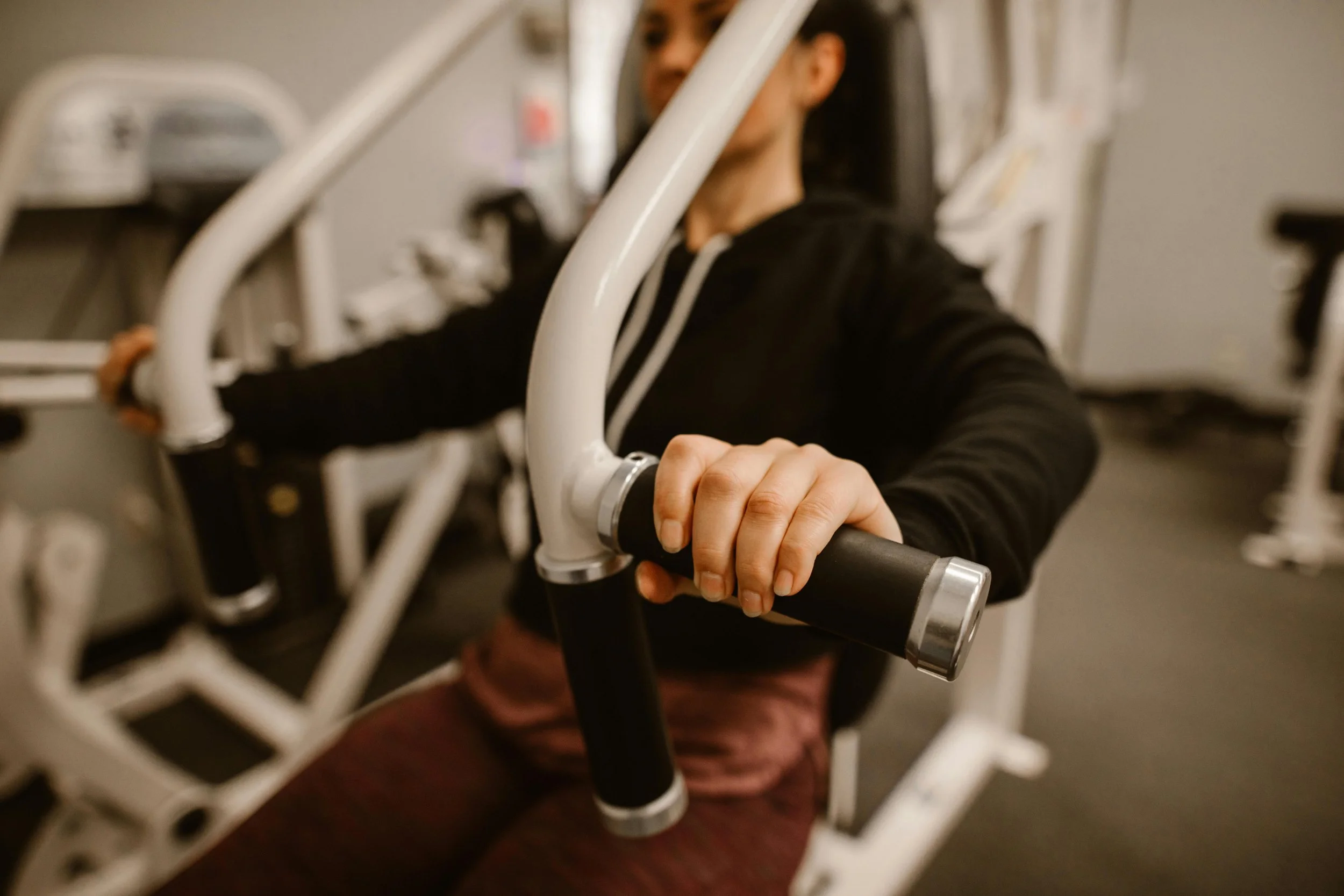
The Science
Your Brain on Movement
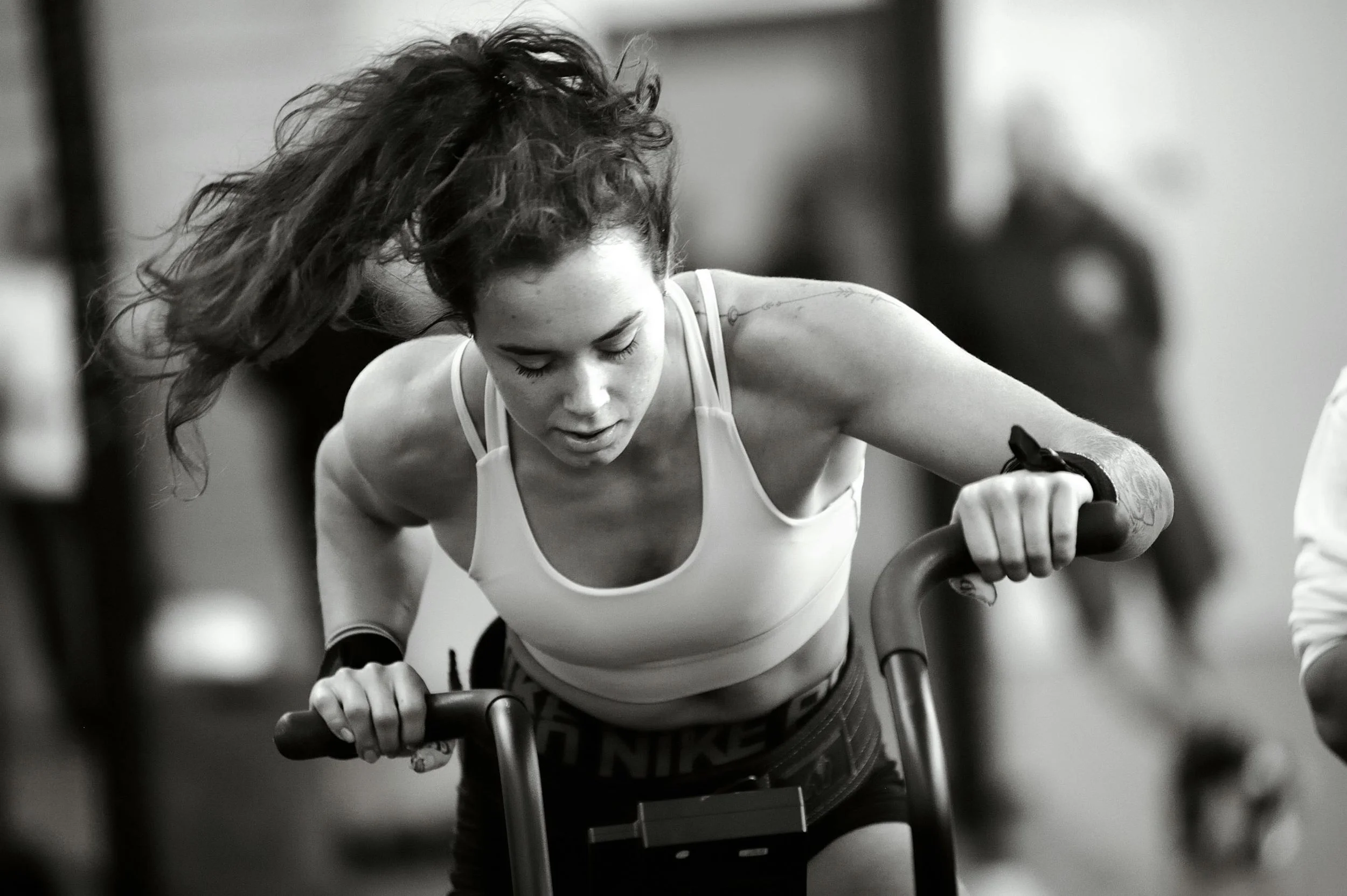
When you exercise — even something as low-impact as a walk outside — your body releases a cascade of neurochemicals that directly affect how your brain processes ideas.
BDNF (Brain-Derived Neurotrophic Factor) is probably the most significant one. Often called "Miracle-Gro for the brain," BDNF promotes the growth of new neural connections and improves the brain's ability to form and retain new patterns. It spikes during aerobic activity, even moderate aerobic activity.[1] More connections = more ability to link disparate ideas together. That's creativity at its most fundamental level.
Dopamine, serotonin, and norepinephrine also flood the system during exercise.[2] These are the neurotransmitters associated with motivation, mood regulation, and focused attention. They're the same ones targeted by antidepressants — which tells you something about how powerful movement is as a mood and cognitive tool. When these are elevated, mental blocks lower. Things that felt stuck start to move.
Endorphins get all the cultural credit (hello, "runner's high"), but their role is more about reducing the noise — anxiety, self-criticism, the mental chatter that can strangle a creative idea before it has a chance to breathe.
The Network
The Default Mode Network: Where Ideas Actually Live

When you're doing something that requires low cognitive demand — a steady-state run, a walk, a familiar lifting routine — your brain shifts into what neuroscientists call the Default Mode Network (DMN). This is the network that activates during mind-wandering, daydreaming, and self-reflection. It's also the network most associated with creative insight and the spontaneous connection of unrelated ideas.[3]
In other words: when your conscious mind is occupied just enough (keeping pace, counting reps, watching the path ahead), your subconscious gets room to work. Problems you've been forcing your way through suddenly have space to resolve themselves.
This is the same reason ideas come in the shower. Your hands are busy, the environment is predictable, and your brain quietly does what it couldn't do when you were staring at the screen.
The Research
Walking, Specifically
A 2014 Stanford study found that walking boosts divergent creative thinking in real time and shortly after — with 81% of participants generating more creative ideas while walking than sitting, and average creative output increasing by roughly 60%.[4] The effect held whether participants walked on a treadmill indoors or outside. The act of walking itself — not the scenery — was the key factor. The boost even persisted after participants sat back down.
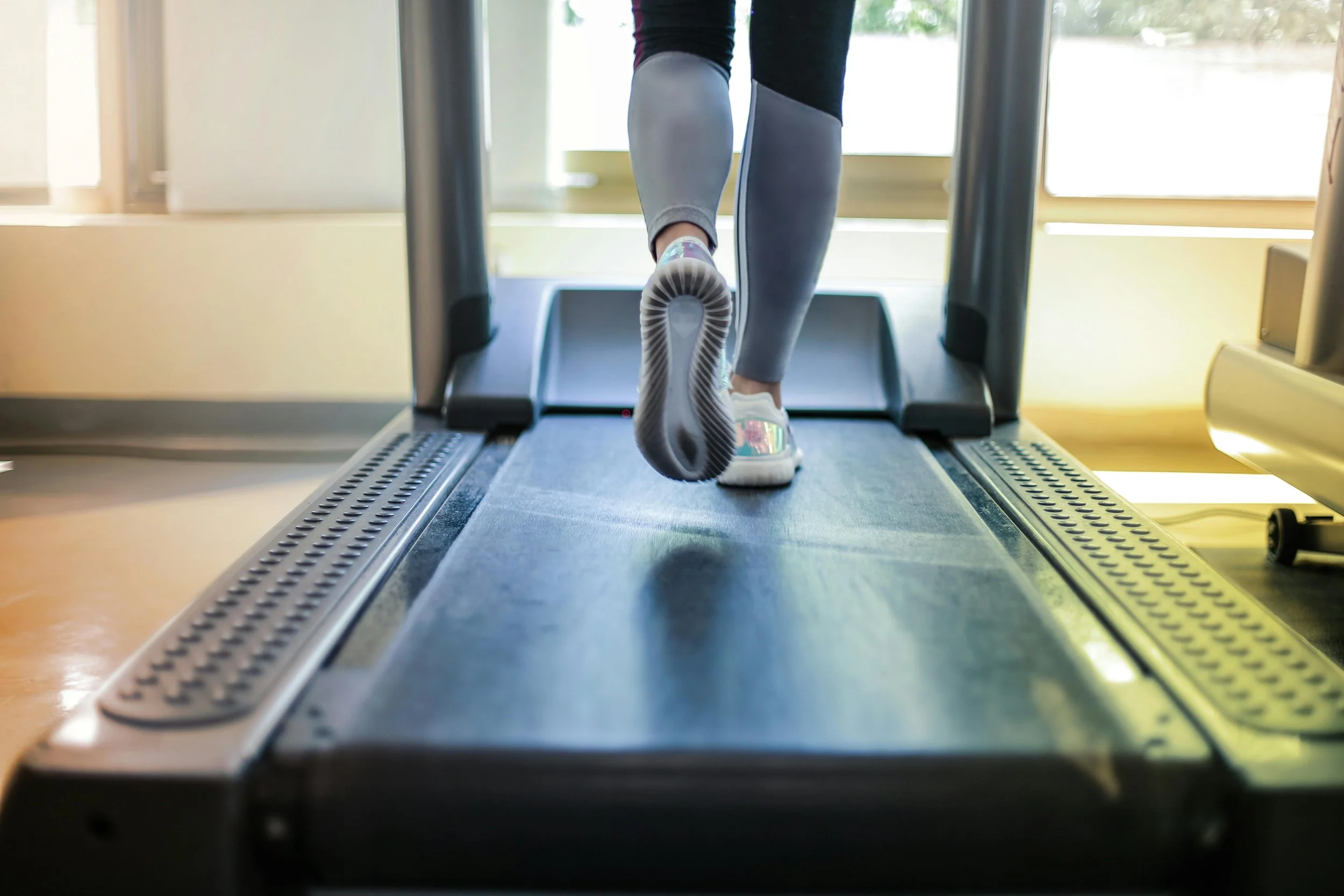
This tracks with my experience. Some of my best naming ideas, layout directions, and "wait, what if we did this instead" moments have come on outdoor walks. Moving through space, changing your visual field, seems to compound the effect.
The Practice
What This Means Practically
I don't go to the gym to solve design problems. But I've learned to let it happen when it does.
I keep a note open on my phone for mid-workout thoughts. I don't force it — the forcing is what I was doing at the desk. The movement is where I let go of the forcing. And that letting go, it turns out, is where the ideas were waiting.
If you're a designer or a creative who feels stuck: go for a walk. Not to think harder about the problem. Just to move. The chemistry does the rest.

Today I arrived at the gym in a mood. Not a bad mood exactly — just the low-grade, heavy kind that settles in when things feel stuck. I did some lifting, kept my head down, and somewhere in the middle of it I glanced over at a woman on the treadmill. She was walking — just walking — but she was completely in it. Hopping a little to whatever was in her headphones. Genuinely smiling.
It made me smile too.
By the time I left, the mood had lifted. Nothing had changed on the outside. But something had reset. That's the thing about movement — it doesn't ask you to be in a good headspace first. It just quietly does its work, whether you show up ready or not.
I'm a designer, not a doctor or neuroscientist — this post reflects my own research and experience. If you have health concerns, please consult a qualified professional.
Have a problem you've been grinding on? Try stepping away from the screen entirely. Sometimes the best thing you can do for a brief is go outside.
- Basso, J.C. & Suzuki, W.A. (2017). "The Effects of Acute Exercise on Mood, Cognition, Neurophysiology, and Neurochemical Pathways: A Review." Brain Plasticity, 2(2), 127–152. pmc.ncbi.nlm.nih.gov ↩
- American Psychological Association. "Working Out Boosts Brain Health." apa.org ↩
- Shofty, B. et al. (2024). "Default Mode Network Electrophysiological Dynamics and Causal Role in Creative Thinking." Brain. pmc.ncbi.nlm.nih.gov ↩
- Oppezzo, M. & Schwartz, D.L. (2014). "Give Your Ideas Some Legs: The Positive Effect of Walking on Creative Thinking." Journal of Experimental Psychology: Learning, Memory, and Cognition, 40(4), 1142–1152. apa.org ↩
Further Reading
Go Deeper
- Oppezzo & Schwartz (2014) — The original Stanford walking + creativity study: Full PDF
- Stanford News coverage of the study: news.stanford.edu
- Basso & Suzuki (2017) — Comprehensive review of acute exercise on mood, cognition, and neurochemistry: pmc.ncbi.nlm.nih.gov
- Frontiers in Aging Neuroscience — Effects of different physical activities on BDNF levels: frontiersin.org
- ScienceDirect — The role of the default mode network in creativity (2025): sciencedirect.com
